Last additions - Diabetic Macular Edema - SD-OCT - Clinically Significant Macular Edema with Normal Central Vision 63-year-old man was seen in the office on May 10, 2012. He has been diabetic for twenty two years. He did have a stroke in September. He lost his right peripheral vision. His central vision is fine.
VISUAL ACUITY: OD 20/25, OS 20/25. IOP: OD 11, OS 14.
SLIT EXAMINATION: There is 2+ nuclear sclerosis in both eyes.
EXTENDED OPHTHALMOSCOPY:
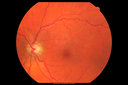
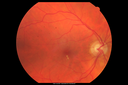
OD: Vertical C/D ratio is 0.6. There is no posterior vitreous separation. There is exudate and microaneurysms clustered particularly inferior to the fovea.
OS: Vertical C/D ratio is 0.6. There is no posterior vitreous separation. There is exudate and microaneurysms clustered superior to the fovea. In both eyes there does appear to be edema within 500 microns of the center of the fovea.
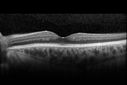
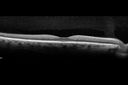
SPECTRALIS-SD-OCT SCAN: The OCT scan in the right eye shows an average central foveal thickness of 270 microns, which is normal. The left eye shows an average central foveal thickness of 258 microns, which is normal. Both eyes though do have edema within less than a disc-diameter in the center.
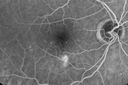
FLUORESCEIN ANGIOGRAPHY: Fluorescein angiography shows microaneurysms leaking inferior to the fovea in the right eye and superior to the fovea in the left eye.
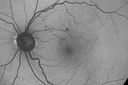
FUNDUS PHOTOGRAPHY - INFRA RED: The infra red and auto fluorescence images show a cluster of microaneurysms inferior to the fovea with some hemorrhage in that area. The infra red and auto fluorescence images in the left eye show microaneurysms clustered superior to the fovea with some hemorrhage in that area.
IMPRESSION:
1. BACKGROUND DIABETIC RETINOPATHY – BOTH EYES
2. CLINICALLY SIGNIFICANT MACULAR EDEMA – BOTH EYES
DISCUSSION: I explained to the patient he does have diabetic macular edema in both eyes. The ETDRS study shows that laser treatment is beneficial in this situation, however, the sub group analysis show that people with good vision there didn’t seem to be any difference between treated and non treated patients in two years. Therefore I think it is reasonable with today’s technology, to follow him closely and treat him should the edema worsen and not treat him should the edema stabilize or improve. To that I asked him to return for a check in three to four months or sooner should he notice a problem.
|

Diabetic Edema Better - 3 Months Follow-UP - No treatment - SD OCT798 viewsPatient remains asymptomatic and OCT shows less edemaSep 05, 2012
|
|

Diabetic Edema Better - 3 Months Follow-UP - No treatment - SD OCT678 viewsPatient remains asymptomatic and OCT shows less edemaSep 05, 2012
|
|
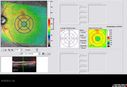
701 views63-year-old man diabetic for twenty two years. His central vision is fine.
VISUAL ACUITY: OD 20/25, OS 20/25May 21, 2012
|
|
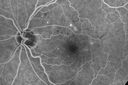
524 views63-year-old man diabetic for twenty two years. His central vision is fine.
VISUAL ACUITY: OD 20/25, OS 20/25May 21, 2012
|
|
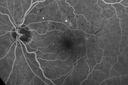
515 views63-year-old man diabetic for twenty two years. His central vision is fine.
VISUAL ACUITY: OD 20/25, OS 20/25May 21, 2012
|
|
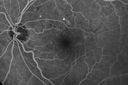
516 views63-year-old man diabetic for twenty two years. His central vision is fine.
VISUAL ACUITY: OD 20/25, OS 20/25May 21, 2012
|
|
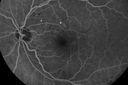
590 views63-year-old man diabetic for twenty two years. His central vision is fine.
VISUAL ACUITY: OD 20/25, OS 20/25May 21, 2012
|
|
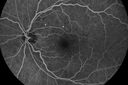
545 views63-year-old man diabetic for twenty two years. His central vision is fine.
VISUAL ACUITY: OD 20/25, OS 20/25May 21, 2012
|
|
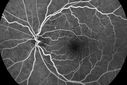
564 views63-year-old man diabetic for twenty two years. His central vision is fine.
VISUAL ACUITY: OD 20/25, OS 20/25May 21, 2012
|
|
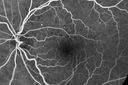
600 views63-year-old man diabetic for twenty two years. His central vision is fine.
VISUAL ACUITY: OD 20/25, OS 20/25May 21, 2012
|
|
560 views63-year-old man diabetic for twenty two years. His central vision is fine.
VISUAL ACUITY: OD 20/25, OS 20/25May 21, 2012
|
|

624 views63-year-old man diabetic for twenty two years. His central vision is fine.
VISUAL ACUITY: OD 20/25, OS 20/25May 21, 2012
|
|
788 views63-year-old man diabetic for twenty two years. His central vision is fine.
VISUAL ACUITY: OD 20/25, OS 20/25May 21, 2012
|
|

561 views63-year-old man diabetic for twenty two years. His central vision is fine.
VISUAL ACUITY: OD 20/25, OS 20/25May 21, 2012
|
|
579 views63-year-old man diabetic for twenty two years. His central vision is fine.
VISUAL ACUITY: OD 20/25, OS 20/25May 21, 2012
|
|

586 views63-year-old man diabetic for twenty two years. His central vision is fine.
VISUAL ACUITY: OD 20/25, OS 20/25May 21, 2012
|
|
569 views63-year-old man diabetic for twenty two years. His central vision is fine.
VISUAL ACUITY: OD 20/25, OS 20/25May 21, 2012
|
|

570 views63-year-old man diabetic for twenty two years. His central vision is fine.
VISUAL ACUITY: OD 20/25, OS 20/25May 21, 2012
|
|
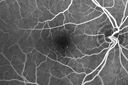
543 views63-year-old man diabetic for twenty two years. His central vision is fine.
VISUAL ACUITY: OD 20/25, OS 20/25May 21, 2012
|
|
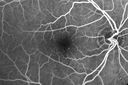
532 views63-year-old man diabetic for twenty two years. His central vision is fine.
VISUAL ACUITY: OD 20/25, OS 20/25May 21, 2012
|
|
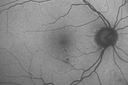
489 views63-year-old man diabetic for twenty two years. His central vision is fine.
VISUAL ACUITY: OD 20/25, OS 20/25May 21, 2012
|
|
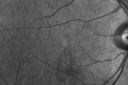
574 views63-year-old man diabetic for twenty two years. His central vision is fine.
VISUAL ACUITY: OD 20/25, OS 20/25May 21, 2012
|
|
692 views63-year-old man diabetic for twenty two years. His central vision is fine.
VISUAL ACUITY: OD 20/25, OS 20/25May 21, 2012
|
|

691 views63-year-old man diabetic for twenty two years. His central vision is fine.
VISUAL ACUITY: OD 20/25, OS 20/25May 21, 2012
|
|

670 views63-year-old man diabetic for twenty two years. His central vision is fine.
VISUAL ACUITY: OD 20/25, OS 20/25May 21, 2012
|
|
723 views63-year-old man diabetic for twenty two years. His central vision is fine.
VISUAL ACUITY: OD 20/25, OS 20/25May 21, 2012
|
|

936 views63-year-old man diabetic for twenty two years. His central vision is fine.
VISUAL ACUITY: OD 20/25, OS 20/25May 21, 2012
|
|
|
|
|
63-year-old man was seen in the office on May 10, 2012. He has been diabetic for twenty two years. He did have a stroke in September. He lost his right peripheral vision. His central vision is fine.
VISUAL ACUITY: OD 20/25, OS 20/25. IOP: OD 11, OS 14.
SLIT EXAMINATION: There is 2+ nuclear sclerosis in both eyes.
EXTENDED OPHTHALMOSCOPY:
OD: Vertical C/D ratio is 0.6. There is no posterior vitreous separation. There is exudate and microaneurysms clustered particularly inferior to the fovea.
OS: Vertical C/D ratio is 0.6. There is no posterior vitreous separation. There is exudate and microaneurysms clustered superior to the fovea. In both eyes there does appear to be edema within 500 microns of the center of the fovea.
SPECTRALIS-SD-OCT SCAN: The OCT scan in the right eye shows an average central foveal thickness of 270 microns, which is normal. The left eye shows an average central foveal thickness of 258 microns, which is normal. Both eyes though do have edema within less than a disc-diameter in the center.
FLUORESCEIN ANGIOGRAPHY: Fluorescein angiography shows microaneurysms leaking inferior to the fovea in the right eye and superior to the fovea in the left eye.
FUNDUS PHOTOGRAPHY - INFRA RED: The infra red and auto fluorescence images show a cluster of microaneurysms inferior to the fovea with some hemorrhage in that area. The infra red and auto fluorescence images in the left eye show microaneurysms clustered superior to the fovea with some hemorrhage in that area.
IMPRESSION:
1. BACKGROUND DIABETIC RETINOPATHY – BOTH EYES
2. CLINICALLY SIGNIFICANT MACULAR EDEMA – BOTH EYES
DISCUSSION: I explained to the patient he does have diabetic macular edema in both eyes. The ETDRS study shows that laser treatment is beneficial in this situation, however, the sub group analysis show that people with good vision there didn’t seem to be any difference between treated and non treated patients in two years. Therefore I think it is reasonable with today’s technology, to follow him closely and treat him should the edema worsen and not treat him should the edema stabilize or improve. To that I asked him to return for a check in three to four months or sooner should he notice a problem.


