35-year-old man was seen in the office on August 1, 2008. He has been diabetic for the last 25 years. His hemoglobin A1C has been running between 10 and 11. He was doing fine and then when he woke up from sleeping last night he noticed sudden vision loss in his left eye, and you suggested he come in here for an evaluation. His blood pressure has been running a little bit high. He also recently had a large weight loss when he had the flu. He did have strabismus surgery at age 8 and the right eye was amblyopic and was treated. The left eye has traditionally been his better eye.
VISUAL ACUITY: OD 20/30, OS 20/200. IOP: OD 18, OS 19.
SLIT LAMP EXAM: There is no rubeosis. The lenses are clear.
EXTENDED OPHTHALMOSCOPY:
OD: Vertical C/D ratio is 0.1. There is edema just superotemporal to the fovea. There is a tuft of neovascularization and trace hemorrhage across superior to the macula. There is no vitreous hemorrhage and no neovascularization.
OS: Vertical C/D ratio is 0.1. There is a partial posterior vitreous separation which looks to be a tuft of neovascularization in the superior periphery, but it is difficult to see through the vitreous hemorrhage. There is patchy retinal hemorrhage. He does have about a five diopter left exotropia.
IMPRESSION:
1. PROLIFERATIVE DIABETIC RETINOPATHY – BOTH EYES
2. VITREOUS HEMORRHAGE – LEFT EYE
3. DIABETIC MACULAR EDEMA – RIGHT EYE
4. STRABISMUS
DISCUSSION: I explained to the patient he does unfortunately have proliferative diabetic retinopathy and with a vitreous hemorrhage he is at high risk of vision loss. With laser treatment we can reduce the risk of vision loss from 50% to 10 – 25%. The left eye does have space around the blood where I can start the panretinal laser today. I started panretinal laser today and he will return for a check in two weeks, sooner should he notice any problem. He will see you back regularly.
I asked him to work with his medical doctor to better control his blood pressure and blood sugars, which will substantially reduce his risk of eye and systemic problems. He will need panretinal laser in the right eye as well, but I will defer that until the left eye has settled down some. If the vitreous hemorrhage does not clear on its own within a reasonable time, it is technically possible to remove it surgically. In type 1 diabetics, we do suggest vitreous surgery a little sooner than in type 2 diabetics. Given the minimal bleeding, as long as he does not re-bleed, I think it is possible that he will do fine. The right eye does have a little macular edema.
4 Month Follow-up:
February 23, 2009. This pleasant 35-year-old man has proliferative diabetic retinopathy in both eyes. He had a vitreous hemorrhage in the left eye, which was finally starting to clear. His vision in that eye is good. The right eye is good as well, but it does have proliferation.
VISUAL ACUITY: OD 20/25, OS 20/25. IOP: OD 15, OS 12. The lenses are clear.
EXTENDED OPHTHALMOSCOPY:
OD: Vertical C/D ratio is 0.3. There is a substantial tuft of neovascularization in the superotemporal periphery three disc-diameters across.
OS: Vertical C/D ratio is 0.3. There is pan retinal laser. There is no active neovascularization. There is a 2+ vitreous hemorrhage.
IMPRESSION:
1. PROLIFERATIVE DIABETIC RETINOPATHY – BOTH EYES
2. PAN RETINAL LASER – LEFT EYE
3. REABSORBING VITREOUS HEMORRHAGE – LEFT EYE
DISCUSSION: I explained to the patient the retinas are both doing pretty well today. I suggest that we start pan retinal laser in the right eye and he tolerated the treatment fine. We talked about the risks, benefits, indications, and alternatives of panretinal photocoagulation and the patient agreed to this procedure after the questions were answered. Panretinal photocoagulation was performed today in the right eye without difficulty. He will return in two months or sooner if he should notice a problem and see you regularly.
|

Diabetic Vitreous Hemorrhage Left Eye740 views35-year-old man diabetic for the last 25 years. His hemoglobin A1C has been running between 10 and 11. He was doing fine and then when he woke up from sleeping last night he noticed sudden vision loss in his left eye OD 20/30, OS 20/200.
(0 votes)
|
|

Diabetic Vitreous Hemorrhage Left Eye812 views35-year-old man diabetic for the last 25 years. His hemoglobin A1C has been running between 10 and 11. He was doing fine and then when he woke up from sleeping last night he noticed sudden vision loss in his left eye OD 20/30, OS 20/200.
(1 votes)
|
|

Diabetic Vitreous Hemorrhage Left Eye732 views35-year-old man diabetic for the last 25 years. His hemoglobin A1C has been running between 10 and 11. He was doing fine and then when he woke up from sleeping last night he noticed sudden vision loss in his left eye OD 20/30, OS 20/200.
(0 votes)
|
|
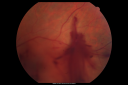
Diabetic Vitreous Hemorrhage Left Eye593 views35-year-old man diabetic for the last 25 years. His hemoglobin A1C has been running between 10 and 11. He was doing fine and then when he woke up from sleeping last night he noticed sudden vision loss in his left eye OD 20/30, OS 20/200.
(0 votes)
|
|
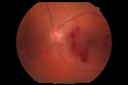
Diabetic Vitreous Hemorrhage Left Eye635 views35-year-old man diabetic for the last 25 years. His hemoglobin A1C has been running between 10 and 11. He was doing fine and then when he woke up from sleeping last night he noticed sudden vision loss in his left eye OD 20/30, OS 20/200.
(0 votes)
|
|
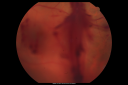
Diabetic Vitreous Hemorrhage Left Eye587 views35-year-old man diabetic for the last 25 years. His hemoglobin A1C has been running between 10 and 11. He was doing fine and then when he woke up from sleeping last night he noticed sudden vision loss in his left eye OD 20/30, OS 20/200.
(0 votes)
|
|

Diabetic Vitreous Hemorrhage Left Eye660 views35-year-old man diabetic for the last 25 years. His hemoglobin A1C has been running between 10 and 11. He was doing fine and then when he woke up from sleeping last night he noticed sudden vision loss in his left eye OD 20/30, OS 20/200.
(0 votes)
|
|
|
|
|
35-year-old man was seen in the office on August 1, 2008. He has been diabetic for the last 25 years. His hemoglobin A1C has been running between 10 and 11. He was doing fine and then when he woke up from sleeping last night he noticed sudden vision loss in his left eye, and you suggested he come in here for an evaluation. His blood pressure has been running a little bit high. He also recently had a large weight loss when he had the flu. He did have strabismus surgery at age 8 and the right eye was amblyopic and was treated. The left eye has traditionally been his better eye.
VISUAL ACUITY: OD 20/30, OS 20/200. IOP: OD 18, OS 19.
SLIT LAMP EXAM: There is no rubeosis. The lenses are clear.
EXTENDED OPHTHALMOSCOPY:
OD: Vertical C/D ratio is 0.1. There is edema just superotemporal to the fovea. There is a tuft of neovascularization and trace hemorrhage across superior to the macula. There is no vitreous hemorrhage and no neovascularization.
OS: Vertical C/D ratio is 0.1. There is a partial posterior vitreous separation which looks to be a tuft of neovascularization in the superior periphery, but it is difficult to see through the vitreous hemorrhage. There is patchy retinal hemorrhage. He does have about a five diopter left exotropia.
IMPRESSION:
1. PROLIFERATIVE DIABETIC RETINOPATHY – BOTH EYES
2. VITREOUS HEMORRHAGE – LEFT EYE
3. DIABETIC MACULAR EDEMA – RIGHT EYE
4. STRABISMUS
DISCUSSION: I explained to the patient he does unfortunately have proliferative diabetic retinopathy and with a vitreous hemorrhage he is at high risk of vision loss. With laser treatment we can reduce the risk of vision loss from 50% to 10 – 25%. The left eye does have space around the blood where I can start the panretinal laser today. I started panretinal laser today and he will return for a check in two weeks, sooner should he notice any problem. He will see you back regularly.
I asked him to work with his medical doctor to better control his blood pressure and blood sugars, which will substantially reduce his risk of eye and systemic problems. He will need panretinal laser in the right eye as well, but I will defer that until the left eye has settled down some. If the vitreous hemorrhage does not clear on its own within a reasonable time, it is technically possible to remove it surgically. In type 1 diabetics, we do suggest vitreous surgery a little sooner than in type 2 diabetics. Given the minimal bleeding, as long as he does not re-bleed, I think it is possible that he will do fine. The right eye does have a little macular edema.
4 Month Follow-up:
February 23, 2009. This pleasant 35-year-old man has proliferative diabetic retinopathy in both eyes. He had a vitreous hemorrhage in the left eye, which was finally starting to clear. His vision in that eye is good. The right eye is good as well, but it does have proliferation.
VISUAL ACUITY: OD 20/25, OS 20/25. IOP: OD 15, OS 12. The lenses are clear.
EXTENDED OPHTHALMOSCOPY:
OD: Vertical C/D ratio is 0.3. There is a substantial tuft of neovascularization in the superotemporal periphery three disc-diameters across.
OS: Vertical C/D ratio is 0.3. There is pan retinal laser. There is no active neovascularization. There is a 2+ vitreous hemorrhage.
IMPRESSION:
1. PROLIFERATIVE DIABETIC RETINOPATHY – BOTH EYES
2. PAN RETINAL LASER – LEFT EYE
3. REABSORBING VITREOUS HEMORRHAGE – LEFT EYE
DISCUSSION: I explained to the patient the retinas are both doing pretty well today. I suggest that we start pan retinal laser in the right eye and he tolerated the treatment fine. We talked about the risks, benefits, indications, and alternatives of panretinal photocoagulation and the patient agreed to this procedure after the questions were answered. Panretinal photocoagulation was performed today in the right eye without difficulty. He will return in two months or sooner if he should notice a problem and see you regularly.


